
The Real Pros and Cons of Voter ID Laws in recent years, the debate surrounding voter ID laws has become a significant focal point in political discussions. Some argue that these laws are essential for securing elections and protecting voter integrity, while others claim they disenfranchise vulnerable populations. So, what are the pros and cons of voter ID laws? The truth lies somewhere in between, and understanding both sides of the argument is key to forming an informed opinion on this matter.
What Are Voter ID Laws?
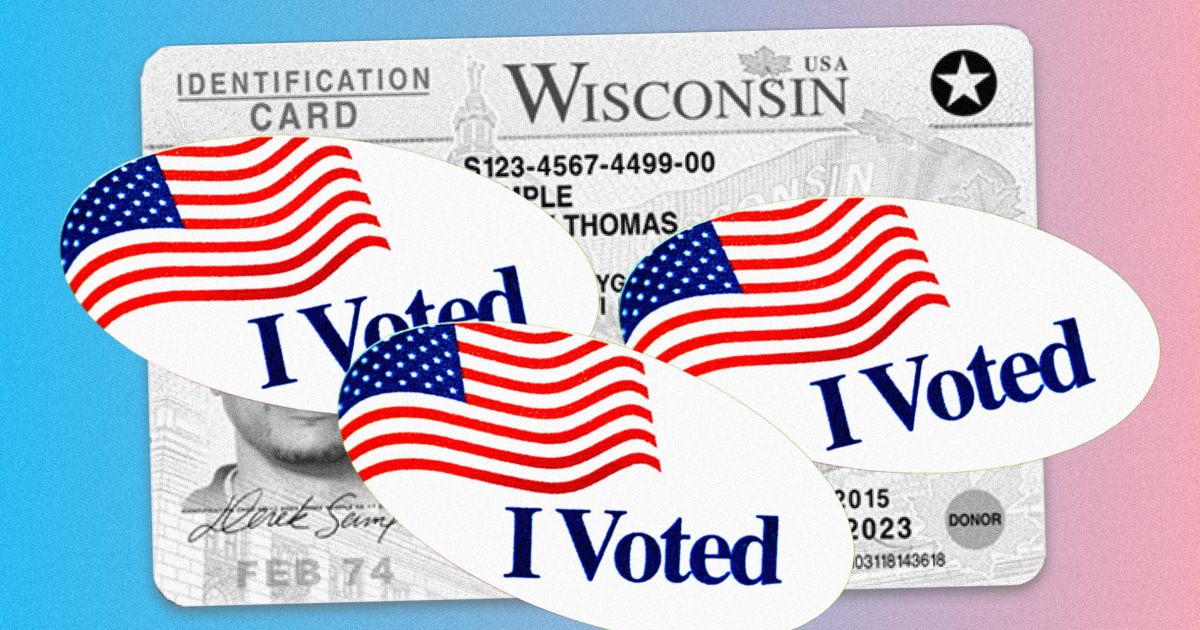
Voter ID laws require individuals to present identification at polling stations before casting their ballots. The intent behind these laws is to ensure that voters are who they say they are, preventing impersonation and other forms of voter fraud. While this may sound straightforward, the practical implementation and consequences of such laws are much more complex.
The Proponents’ Viewpoint
Supporters of voter ID laws believe these regulations are essential for maintaining the integrity of elections. They argue that these laws address potential issues like voter impersonation, which although rare, can undermine public confidence in the election process. But what are the specific pros and cons of voter ID laws from their perspective?
The Pros of Voter ID Laws
1. Enhanced Election Security
The primary justification for implementing voter ID laws is to safeguard against voter fraud. By requiring each individual to show identification before voting, these laws reduce the risk of people voting multiple times or pretending to be someone they are not. While instances of voter impersonation are statistically minimal, proponents argue that even one fraudulent vote could compromise the entire electoral process.
In this sense, the pros and cons of voter ID laws balance on the side of security. By ensuring that each vote is cast by a legitimate voter, these laws help uphold the sanctity of elections and minimize the possibility of tampering.
2. Increased Public Confidence in Elections
When citizens believe that an election is secure, they are more likely to participate in the process. Voter ID laws can serve as a signal that election authorities are serious about preventing fraud. This perception of security helps to bolster trust in the results and reduces doubts about the legitimacy of the voting process.
Moreover, when voters see that everyone is required to follow the same rules, they may feel more confident that their votes will count fairly. The pros and cons of voter ID laws here reflect a societal desire for transparency and equality.
3. Standardization of Voter Requirements
Before voter ID laws were enacted, various states had different rules regarding how people could prove their identity. By requiring IDs, voter ID laws standardize the process across the country, making it easier for election officials to verify voters and streamline the entire process. This uniformity can reduce confusion at polling places and ensure that all eligible voters have access to the same basic requirements.
In this way, the pros and cons of voter ID laws also hinge on a desire for efficiency and clarity in the electoral system.
4. Deterrent Against Voter Fraud
While voter impersonation is not rampant, some believe that the fear of being caught voting fraudulently is enough to deter potential criminals. Having a robust system that includes voter IDs makes it much harder for anyone to cast a vote inappropriately. This deterrence extends beyond simple impersonation; it can prevent other forms of fraud that could complicate the voting process.
The Cons of Voter ID Laws
While supporters tout the benefits of voter ID laws, there are valid concerns about the potential negative consequences these laws can have on certain populations. Critics argue that these laws can disenfranchise marginalized groups, create barriers to voting, and even undermine the democratic process.
1. Disenfranchisement of Vulnerable Groups
One of the most significant cons of voter ID laws is their potential to disenfranchise vulnerable groups, including low-income citizens, the elderly, and racial minorities. Many people in these groups may not have the necessary ID due to financial, logistical, or social barriers. For instance, obtaining a government-issued ID can be an expensive, time-consuming, and complicated process. For those without access to transportation, taking time off work, or affording the cost of an ID can be nearly impossible.
This creates a system where certain citizens—those who are already marginalized—are disproportionately affected, making it harder for them to exercise their fundamental right to vote. The pros and cons of voter ID laws here highlight the tension between ensuring security and maintaining inclusivity.
2. Increased Burden on Voters
Voter ID laws place additional burdens on voters, particularly in areas where obtaining an ID is not a simple task. For many, getting an ID involves gathering necessary documentation like birth certificates or proof of residence, which they may not have readily available. This process can be time-consuming, costly, and bureaucratically complex.
In the 2020 U.S. presidential election, some states saw long lines at DMV offices and delays in issuing IDs, creating an unnecessary barrier to the polls. For many people, these barriers are simply too high, especially when elections occur on a tight schedule, and people have limited access to resources.
3. Potential for Racial and Ethnic Bias
Voter ID laws have been shown to disproportionately affect racial and ethnic minorities. Studies have found that people in certain minority groups, particularly Black, Latino, and Native American voters, are less likely to have the required forms of ID. This means that these groups may be more likely to encounter difficulties when trying to vote, even though they are eligible to do so.
The pros and cons of voter ID laws reveal a deep concern about the potential for racial discrimination in the election process. The introduction of these laws, particularly in states with a history of voter suppression, raises questions about whether they disproportionately affect minority voters and whether they are being used as a tool of exclusion.
4. Voter ID Laws Are Often Not Effective at Preventing Fraud
Despite claims that voter ID laws are necessary to prevent voter fraud, evidence suggests that voter impersonation is exceedingly rare. According to multiple studies, the incidence of voter fraud in the United States is so low that it does not justify the imposition of these laws. For instance, a study from the Brennan Center for Justice found that voter impersonation occurs in fewer than 0.00004 percent of all votes cast.
Because of the relatively small scale of voter fraud, critics argue that the imposition of strict voter ID laws is not a proportionate response. Instead of improving the electoral system, these laws may cause more harm than good, particularly when they prevent legitimate voters from participating.
5. Confusion and Administrative Challenges
The implementation of voter ID laws can also create confusion at polling places. Voters may arrive at the polls with an ID that is not accepted, or they may be unsure about which forms of ID are permissible. This confusion can lead to longer wait times, administrative delays, and frustration for voters who may be unable to cast their ballots.
Poll workers, too, may face challenges in understanding the nuances of the law, leading to inconsistent enforcement and potential misinterpretations of voter eligibility. The pros and cons of voter ID laws here reflect the potential for confusion, even among election officials.
Striking a Balance: How to Move Forward
As with many contentious issues, the debate over pros and cons of voter ID laws is not one that can be easily resolved. However, there are ways to address the concerns raised by critics while still maintaining the security that proponents desire.
1. Alternative Forms of Voter Verification
Instead of requiring strict photo IDs, which can be difficult for some people to obtain, states could explore alternative methods of voter verification. For example, using voter registration cards, utility bills, or other forms of identification that do not involve photo IDs could make it easier for people to prove their identity without creating unnecessary barriers to voting.
2. Provide Free IDs to Those Who Cannot Afford Them
One of the most effective solutions to the problem of disenfranchisement is to make ID acquisition easier. Some states already offer free identification cards for those who cannot afford them. Expanding such programs nationwide could ensure that all eligible voters have access to the necessary ID without facing undue hardship.
3. Strengthening Voter Education
Voter education is key to making sure that citizens are aware of the requirements and processes surrounding voter ID laws. Clear communication about what forms of ID are acceptable and how voters can obtain them can reduce confusion and frustration on election day.
4. Focus on Voter Accessibility
Finally, it’s essential to continue pushing for broader reforms that make the entire voting process more accessible. This includes expanding early voting, mail-in ballots, and other methods that make it easier for people to participate in elections.
The debate over the pros and cons of voter ID laws is complex, with valid points on both sides. While these laws may enhance election security and public trust, they can also create significant barriers for marginalized groups, leading to disenfranchisement and inequality. Striking the right balance between ensuring election integrity and protecting voting rights is essential for a healthy, functioning democracy.
Ultimately, the focus should be on finding solutions that allow for secure, fair, and accessible elections for all citizens. As we continue to navigate the evolving landscape of voting rights, it’s critical that we remain vigilant, proactive, and empathetic to the diverse needs of our electorate. Only then can we ensure that every eligible citizen has an equal opportunity to make their voice heard.


More Stories
Unlocking Justice: Creative Legal Solutions for Modern Challenges
The Legal Labyrinth: Navigating the Most Bizarre Cases in History
Unlocking Justice: Innovative Legal Solutions for Every Challenge